Loading...
Join our Facebook Group: Join: Expats in Poland
Loading...
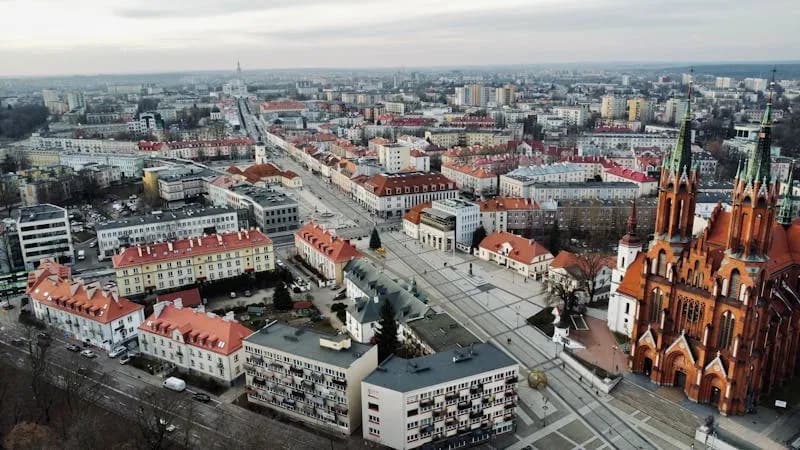
Bialystok combines affordability with genuine cultural richness. The city centre revolves around Kosciuszko Square and the beautifully restored Branicki Palace, while Orthodox churches with golden domes sit alongside Catholic cathedrals, reflecting centuries of multicultural heritage. Street food stalls serve kartacze (Podlasie potato dumplings) alongside kebabs and pierogi. Three universities bring youthful energy, and the growing IT sector attracts remote workers looking for low costs and high quality of life. The Bialowieza Forest, just 60 km away, is home to Europe's largest population of European bison. Weekends here mean hiking through ancient woodland, visiting Tatar villages in Kruszyniany, or kayaking on the Narew River.
Bialystok combines affordability with genuine cultural richness. The city centre revolves around Kosciuszko Square and the beautifully restored Branicki Palace, while Orthodox churches with golden domes sit alongside Catholic cathedrals, reflecting centuries of multicultural heritage. Street food stalls serve kartacze (Podlasie potato dumplings) alongside kebabs and pierogi. Three universities bring youthful energy, and the growing IT sector attracts remote workers looking for low costs and high quality of life. The Bialowieza Forest, just 60 km away, is home to Europe's largest population of European bison. Weekends here mean hiking through ancient woodland, visiting Tatar villages in Kruszyniany, or kayaking on the Narew River.
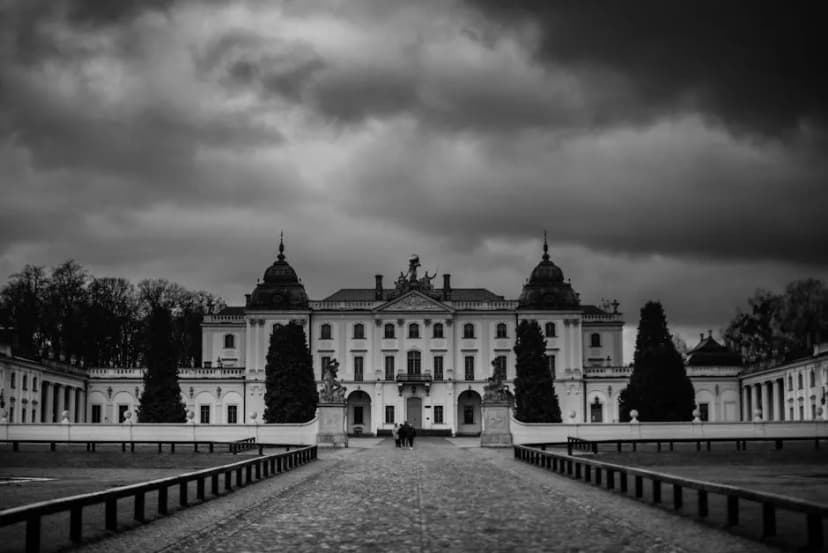
The largest city in northeastern Poland, Bialystok is a multicultural hub shaped by Polish, Belarusian, Lithuanian and Jewish communities. Its crown jewel is the Branicki Palace, known as the 'Polish Versailles', surrounded by baroque gardens. The city is the gateway to Bialowieza Forest, Europe's last primeval woodland and a UNESCO World Heritage Site.
Located in Podlaskie Voivodeship, Bialystok is home to 300,000 residents. The city's economy is driven by key industries including it & software, education & research, food processing, medical technology, timber and furniture, making it an important economic center in the region.
For expats, Bialystok offers several compelling advantages. Very affordable cost of living. Close to Bialowieza Forest (UNESCO). The city is particularly well-suited for budget living, nature lovers, students, it professionals, with a thriving job market that offers average salaries of 4,500-9,000 PLN net. Before moving, it's essential to understand Poland's visa requirements and prepare for the relocation process.
However, like any city, Bialystok has its challenges. Smaller job market than western Polish cities. Limited international flight connections. Despite these considerations, the city maintains a strong international community of Small but growing, mostly Belarusian and Ukrainian expats, primarily from Belarusian, Ukrainian, Indian, who have successfully made Bialystok their home.
The cost of living in Bialystok is 40-50% cheaper than Warsaw compared to other major European cities, with monthly expenses typically ranging from 3,000-5,500 PLN. Rent for a one-bedroom apartment costs 1,500-2,800 PLN, making it accessible for various income levels while maintaining a high quality of life.
Bialystok is 40-50% cheaper than Warsaw compared to Warsaw and other major European cities, making it an attractive destination for international residents. A comfortable lifestyle requires a monthly budget of 3,000-5,500 PLN, covering rent, utilities, food, transportation, and entertainment. The average salary in the city is 4,500-9,000 PLN net, with an unemployment rate of 4.8%.
The city has established itself as a hub for it & software, education & research, food processing, attracting a thriving expat community of Small but growing, mostly Belarusian and Ukrainian people, primarily from Belarusian, Ukrainian, Indian. This international presence has created a welcoming environment for newcomers while maintaining the city's authentic Polish character.
Rental prices for a one-bedroom apartment range from 1,500-2,800 PLN, varying significantly by neighborhood and apartment quality. City center locations command premium prices but offer better amenities, shorter commutes, and proximity to cultural attractions. Suburban areas provide more space and value for money. Most rental agreements require a 2-3 month deposit, and utilities (electricity, heating, water, internet) typically add 350-600 PLN per month per month on top of rent. For detailed guidance on the rental process, check our comprehensive guide to renting in Poland.
Eating out in Bialystok is affordable compared to Western Europe. A sit-down lunch at a local restaurant or milk bar (bar mleczny) costs around 20-35 PLN ($5-9) per person, while a main course at a mid-range restaurant runs 25-60 PLN per meal. A dinner for two with drinks typically comes to 80-120 PLN ($20-30). Coffee at a cafe costs 14-20 PLN ($3.50-5), and a draft beer (0.5l) 12-18 PLN ($3-4.50).
Weekly grocery shopping at popular supermarkets like Biedronka, Lidl, or Kaufland averages 300-550 PLN per week. For reference, a loaf of bread costs about 4-7 PLN ($1-1.75), a liter of milk 3-5 PLN ($0.75-1.25), a kilogram of chicken breast around 18-25 PLN ($4.50-6), and a dozen eggs 8-14 PLN ($2-3.50). Shopping at local markets (targowisko) and buying seasonal produce can reduce your food bill by 20-30%. Polish staples like pierogi, zurek, and bigos are both cheap and filling.
Public transportation in Bialystok is well-developed and affordable. A monthly pass costs 80 PLN monthly pass, giving you unlimited access to buses (bkm), regional buses, bike sharing. A single ticket is around 3-5 PLN ($0.75-1.25). Most expats find that public transport, combined with occasional ride-hailing (Uber, Bolt), covers all their needs without owning a car. A typical Bolt ride across the city center costs 15-30 PLN ($4-7.50). If you do drive, petrol costs about 6-7 PLN ($1.50-1.75) per liter, and monthly parking in the center ranges from 200-500 PLN ($50-125).
A gym membership at a popular chain (CityFit, PureGym, Zdrofit) costs 80-150 PLN ($20-37) per month. Mobile phone plans with unlimited calls and data start at 30-60 PLN ($7.50-15) monthly. A cinema ticket runs about 25-35 PLN ($6-9). Haircuts range from 40-80 PLN ($10-20) for men and 80-200 PLN ($20-50) for women. If you need private healthcare, monthly packages from providers like Medicover or Luxmed start at around 100-200 PLN ($25-50).
Compared to Western European cities, Bialystok offers significant savings while maintaining high living standards. Living costs are typically 50-60% lower than London, 40-50% lower than Berlin, and 45-55% lower than Paris. Use our cost of living calculator for a personalized budget breakdown based on your lifestyle.
Bialystok offers diverse neighborhoods to suit different lifestyles and budgets. From bustling city center areas to quiet residential districts, each neighborhood has its own character and advantages. Here's a comprehensive guide to the best areas for international residents.
| Neighborhood | Rent Level | Best For | Description & Highlights |
|---|---|---|---|
| Centrum | Medium | Students & Young Adults | City centre with Kosciuszko Square, shops, restaurants and the main university campus |
| Bojary | Medium | Culture & History | Historic multicultural district with wooden houses and Orthodox churches |
| Nowe Miasto | Low-Medium | Families & Quiet Living | Newer residential area with modern apartments and good bus connections |
| Piasta | Low | Families & Quiet Living | Affordable residential district popular with students and young professionals |
• City Center: Best for professionals wanting short commutes and nightlife
• Residential Areas: Ideal for families with children and quiet lifestyle
• University Districts: Perfect for students and young professionals
• Waterfront Areas: Great for those who enjoy scenic views and recreation
• Business Districts: Convenient for corporate professionals and entrepreneurs
• Commute Time: Distance to your workplace or university
• Public Transport: Access to buses, trams, and metro connections
• Amenities: Proximity to shops, restaurants, and healthcare
• Budget: Rent level that fits your monthly income (check our salary calculator)
• Lifestyle: Quiet residential vs. vibrant city center atmosphere
Bialystok is generally a safe city with low crime rates, well-lit streets, and police stations in every district. CCTV coverage is extensive in public areas, and the city maintains active neighborhood watch programs. While all neighborhoods are relatively safe, some areas may require more caution during late night hours. The emergency response system is efficient, with police (997), ambulance (999), and fire services (998) readily available.
Click on a price tag to see neighborhood details. Colours indicate rent level: green = affordable, yellow = moderate, orange = expensive.
The job market in Bialystok offers excellent opportunities for both Polish and international professionals, with an unemployment rate of just 4.8% - well below the European average. Average salaries range from 4,500-9,000 PLN net, making it one of Poland's most attractive cities for career development.
Bialystok's strategic location and growing economy have attracted major international companies, creating a diverse job market across multiple sectors. The city is particularly renowned for its strength in it & software, education & research, food processing, with new opportunities emerging regularly in these high-demand fields.
University of Bialystok
Bialystok University of Technology
Suez (environmental services)
ATON-HT (IT)
Medbryt
These companies regularly recruit international talent and often provide relocation packages, language training, and career development programs. For comprehensive job search strategies, check our guide to finding work in Poland.
| Industry Sector | Growth Rate | Avg. Salary Range | Job Demand |
|---|---|---|---|
| IT & Software Development | High Growth | 8,000-20,000 PLN | Very High - 500+ openings |
| BPO/SSC | High Growth | 4,500-12,000 PLN | Medium - 100+ openings |
| Medical technology | High Growth | 8,000-20,000 PLN | Very High - 500+ openings |
| Tourism (Bialowieza Forest) | High Growth | 4,500-12,000 PLN | Medium - 100+ openings |
| Food processing | High Growth | 4,500-12,000 PLN | Medium - 100+ openings |
Bialystok's public transportation system includes buses (bkm), regional buses, bike sharing. A monthly pass costs 80 PLN monthly pass, providing access to all public transport options.The city is compact and walkable. Most attractions are within 20 minutes on foot from the centre.
Bialystok is served by 2 airports: No commercial airport (nearest: Warsaw Chopin, 190km), Regular bus/train connections to Warsaw (2.5-3h). These provide connections to major European cities and international destinations.
• Get a city card for discounted travel on public transport
• Download local transport apps like Jakdojade for route planning
• Consider bike sharing for short trips around the city
• Uber and Bolt are widely available for ride-sharing
• Always validate your ticket before starting your journey
• Jakdojade - for public transport route planning
• Uber/Bolt - for ride sharing services
• City bike app - for bicycle sharing
• PKP Intercity - for intercity train travel
Bialystok has an international community of Small but growing, mostly Belarusian and Ukrainian, with most foreign residents coming from Belarusian, Ukrainian, Indian. You can connect with other expats through Bialystok International and Erasmus Bialystok and IT Community Podlasie, as well as the Expats in Poland Facebook group which covers all Polish cities. For a broader perspective on what to expect, see our guide about Poland.
Bialystok is one of Poland's most culturally diverse cities. Orthodox Christmas and Easter are celebrated alongside Catholic holidays, and you will hear Belarusian and Polish spoken in the streets. The local cuisine reflects this blend: kartacze (large potato dumplings stuffed with meat) are the signature Podlasie dish, while Tatar influences bring pierekaczewnik (a spiral meat pastry) to local restaurants. The city hosts the Up To Date Festival (electronic music), Podlasie Opera events at the Branicki Palace, and lively student nightlife around Lipowa Street. In autumn, mushroom picking in the surrounding forests is practically a religion.
Learning Polish makes a significant difference in daily life, even at a basic level. Greetings, ordering food, and handling simple errands in Polish opens doors that English alone cannot. Many cities offer free or low-cost Polish courses through local libraries, cultural centres, and university language schools. Language exchange meetups, where you practice Polish with locals who want to improve their English, are common and a great way to make friends.
Good healthcare through the Medical University hospital and several private clinics. Limited English-speaking services compared to western Polish cities, but the medical university ensures high-quality care. Private healthcare packages available through Medicover and LuxMed. If you are employed in Poland, you are covered by the public NFZ system, which provides free access to GPs and specialists (though wait times for specialists can be long). Most expats supplement this with private healthcare from providers like Medicover or Luxmed, which cost 100-200 PLN ($25-50) per month and offer English-speaking doctors, shorter wait times, and modern clinics. In emergencies, dial 112 or go directly to the nearest SOR (hospital emergency department). Pharmacies (apteka) are widely available, and many medications that require prescriptions in other countries can be bought over the counter in Poland.
Your first priorities after arriving should be registering your address at the local urzad gminy (municipality office), opening a Polish bank account (you will need one for rent, bills, and receiving your salary), and getting a local SIM card or eSIM. If you are working, your employer will typically help with the PESEL number (national ID) and ZUS registration. For non-EU citizens, understanding the residence permit process early is important.
Polish bureaucracy can be slow and often requires in-person visits, but most offices now offer online appointment booking. Having documents translated by a sworn translator (tlumacz przysiegly) speeds things up considerably. Once the paperwork is sorted, most expats find that Bialystok offers a comfortable daily rhythm, with good access to supermarkets, reliable public transport, and plenty of cafes and restaurants to explore.
Bialystok has 3 universities: University of Bialystok, Bialystok University of Technology, Medical University of Bialystok. The most notable are University of Bialystok and Bialystok University of Technology and Medical University of Bialystok. Students make up about 4.8% of the city's population.
Polish universities are increasingly popular with international students, mainly because tuition fees are a fraction of what you would pay in the UK, US, or Western Europe. A full bachelor's or master's program taught in English typically costs 2,000-6,000 EUR per year, depending on the field. Medical and engineering programs tend to be at the higher end, while humanities and social sciences are more affordable. EU/EEA citizens who study in Polish can often attend public universities for free, the same as Polish students.
Most universities in Bialystok offer some programs in English, and the number is growing every year. Each university has an international student office (Biuro Wspolpracy Miedzynarodowej) that helps with enrolment, accommodation, and navigating Polish bureaucracy. Student dormitories (akademiki) are the cheapest housing option at around 400-800 PLN ($100-200) per month, though many students prefer renting shared apartments for more independence. A Polish student ID (legitymacja studencka) gives you discounts on public transport (50% off), museums, cinemas, and many restaurants.
Bialystok has a continental climate typical of central-eastern Europe, with four distinct seasons. Summers are warm with temperatures around 18-24°c, while winters are cold continental winters, -8 to 0°c, significant snowfall. The city experiences moderate, most rain in summer months. Spring (April-May) and autumn (September-October) are mild and pleasant, making them ideal for exploring the city on foot. The warmest months are July and August, while January and February tend to be the coldest.
If you're moving from a warmer climate, be prepared for Polish winters. Invest in a good winter jacket, thermal layers, and waterproof boots. Heating costs increase noticeably between November and March. On the other hand, Polish summers are comfortable and rarely excessively hot, with long daylight hours (up to 17 hours in June) perfect for outdoor activities.
Average daytime temperatures in Bialystok (°C)
Popular destinations near Bialystok include Branicki Palace & Gardens (the 'Polish Versailles'), Bialowieza Forest (UNESCO) & European Bison Reserve, Kosciuszko Square & Town Hall, Orthodox Church of the Holy Spirit (golden domes), Kruszyniany Tatar Mosque & village, Tykocin Synagogue & Castle, Narew National Park (kayaking), Biebrza National Park (birdwatching), Podlasie Museum of Folk Culture (Wasilkow). These locations are easily accessible and make for perfect day trips or weekend getaways. For comprehensive travel information across Poland, check our travel guide.
• Emergency number: 112
• Police: 997
• Ambulance: 999
• Fire Brigade: 998
• City Hall - for administrative matters
• Main Post Office - for postal services
• Tourist Information Center - for city information and guides
• Main Train Station - for intercity and international connections
With excellent opportunities, affordable living costs, and a welcoming international community, Bialystok offers everything you need for a successful life in Poland. Start planning your relocation today.
Living in Bialystok means you'll never run out of things to do. The city has a great mix of attractions that locals actually visit, not just tourist traps. Here are some favorites:
This is just scratching the surface of what Bialystok has to offer. The city really comes alive when you start exploring beyond the obvious spots.